

New Zealand speedway has never been starved of overseas talent. In fact, the relationship between Kiwi dirt tracks and American midget car royalty stretches back almost a century, to a time when international travel was rare, expensive, and driven purely by passion. As early as the 1930s, the seeds were sown for what would become one of the most enduring trans-Pacific rivalries in motorsport.
Since then, generation after generation of American midget car stars have made the long journey south, drawn by New Zealand’s summer sun, fiercely competitive fields, and the prestige of racing on hallowed clay. From Western Springs to Baypark Speedway, history has been written by drivers willing to borrow Kiwi machinery, adapt on the fly, and test themselves against some of the toughest racers in the world.
The Pioneers Who Opened the Door
The modern era truly ignited in the 1960s and 70s when legends like A.J. Foyt arrived, proving that New Zealand was more than just an off-season adventure; it was a proving ground. His visits showed that international stars could race, win, and thrive here, paving the way for icons such as Mel Kenyon and Rich Vogler, drivers whose names became synonymous with elite midget racing on both sides of the Pacific. Our strongest weapon of this era came with heart none other than Trevor Morris, who was ready to go wheel to wheel.

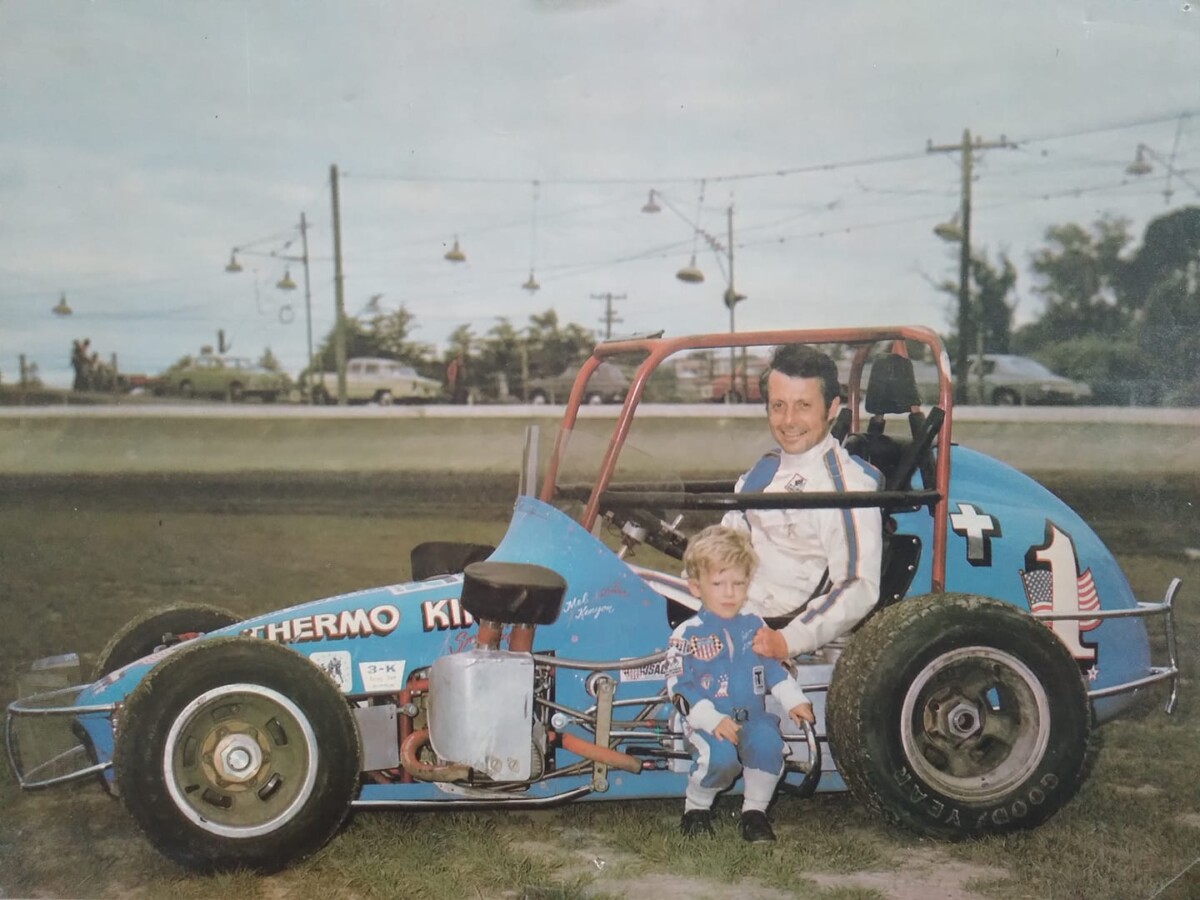
The Golden Era: Battles That Built Legends
The 1980s were explosive, but the story is often misunderstood. Ron “Sleepy” Tripp didn’t arrive alone, nor did he battle against his American contemporaries. Drivers such as Stan Fox, Bob Olivero, Gene Gennetten, and Larry Rice were part of the same American wave, frequent visitors, teammates in experience if not always in machinery, and collectively responsible for lifting the standard of midget racing in New Zealand.
Instead, Tripp’s fiercest and most enduring battles were fought against Kiwi legends. Night after night, Ted Tracey, Barry Butterworth, Pat Johnson and Owen Shaw stood in the way of drivers who knew how to survive, adapt, and strike back on home soil. These weren’t fleeting encounters but sustained rivalries that spanned seasons, tracks, and ever-changing surfaces, defining what many still regard as a golden era of New Zealand midget racing.

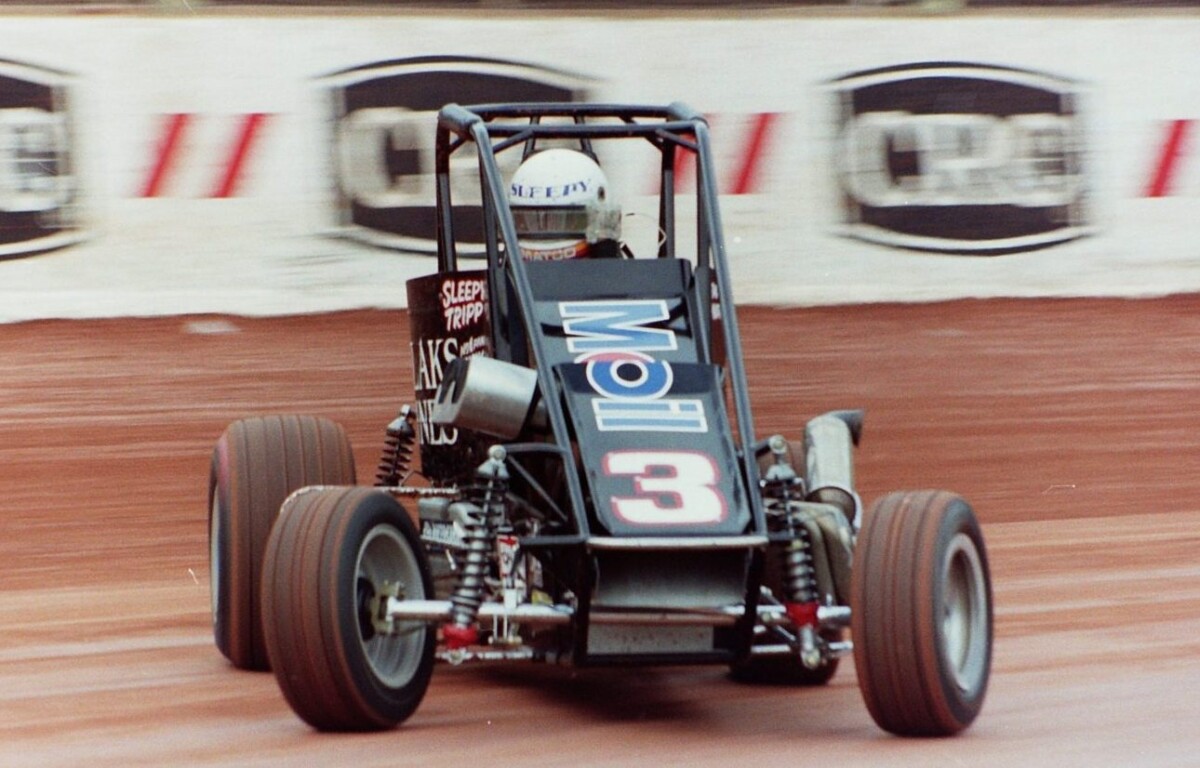
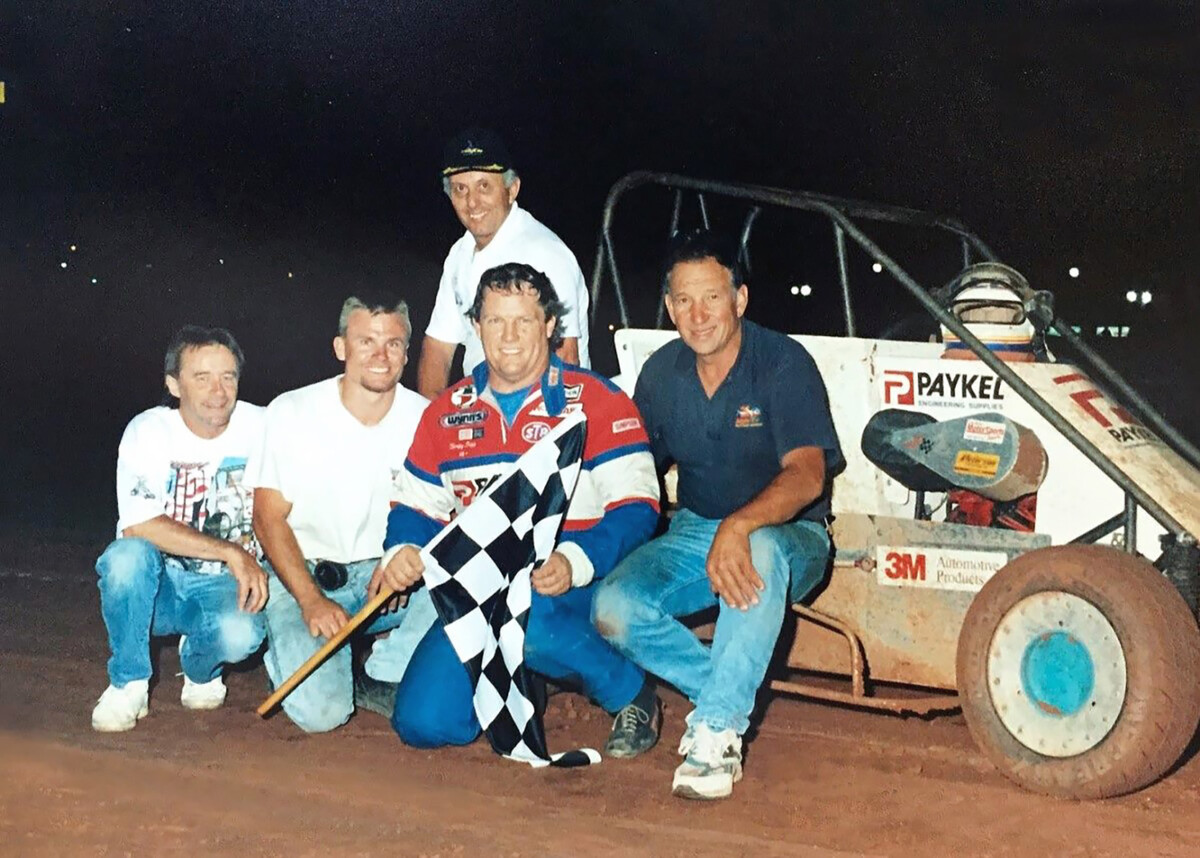
The Americans brought polish, preparation, and relentless pace. The Kiwis countered with grit, innovation, and an unmatched understanding of their tracks. The result was a period where every feature race felt like an international final, and every victory, local or overseas, was hard-earned and deeply respected
The 1990s carried the torch with drivers like Mark Passarelli, J.J. Yeley, Doug Kalitta, and Denise and Wayne Bennett, Ronnie Day keeping the rivalry fierce and the standards sky-high.
The 2000s ushered in a resurgence. Names like Dave Darland, Cory Kruseman, Jerry Coons Jr., Kyle Larson, and Christopher Bell didn’t just race; they reshaped expectations. These drivers arrived with precision, aggression, and a modern professionalism that linked dirt track excellence to the highest levels of global motorsport.
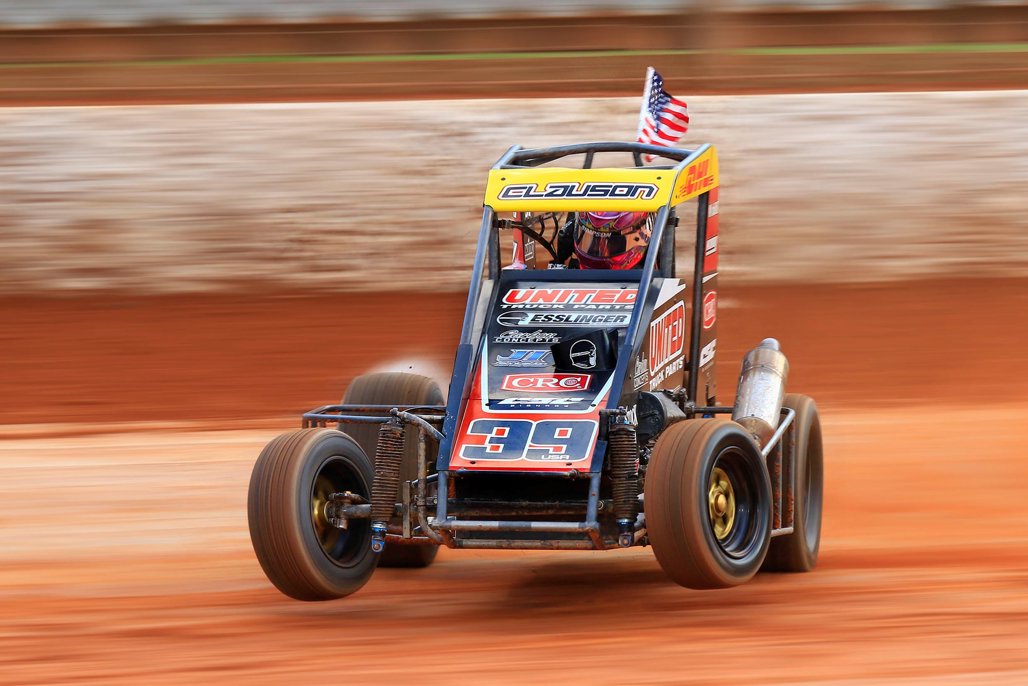
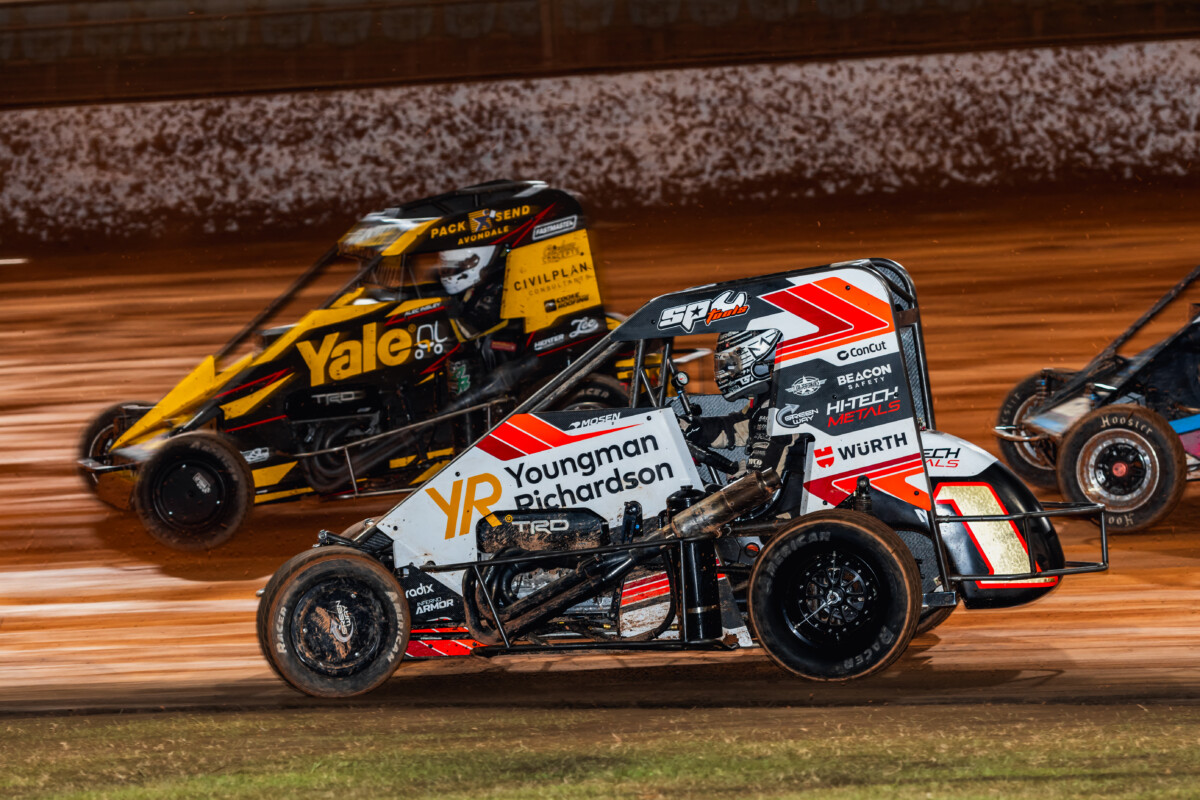
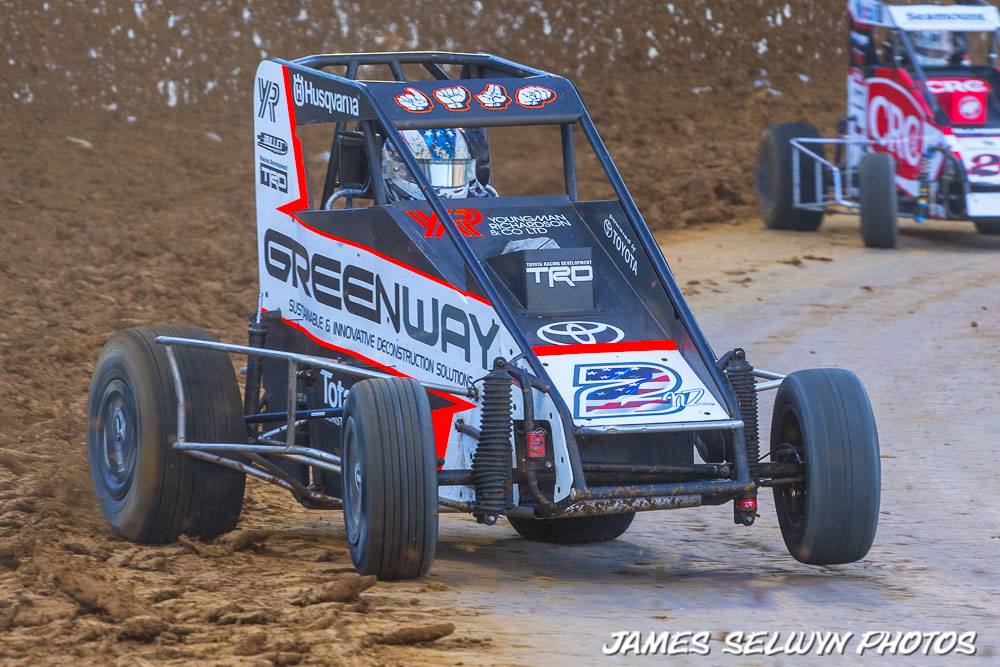
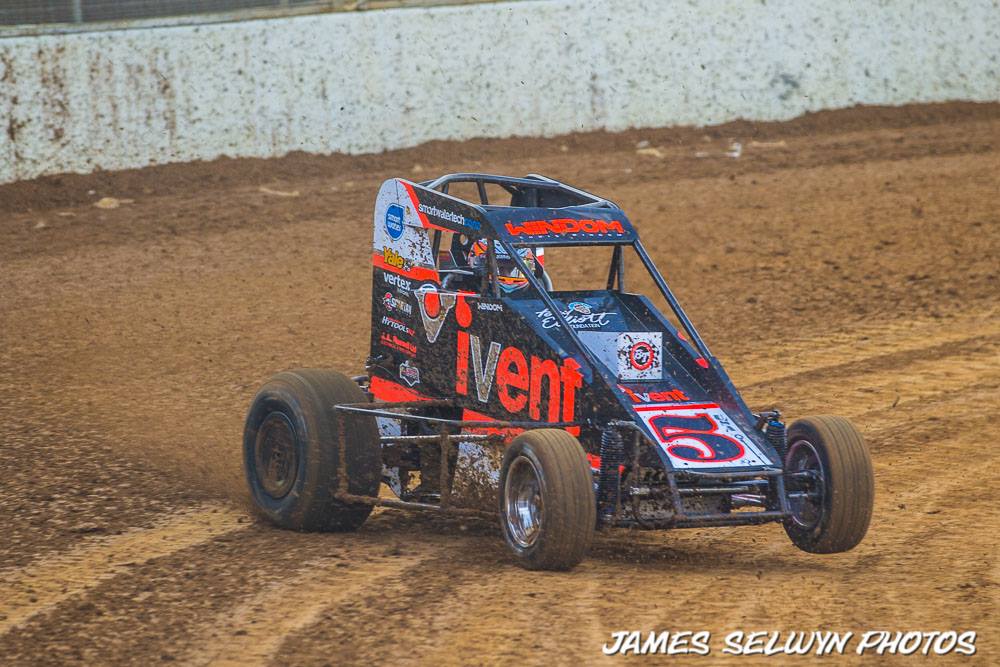
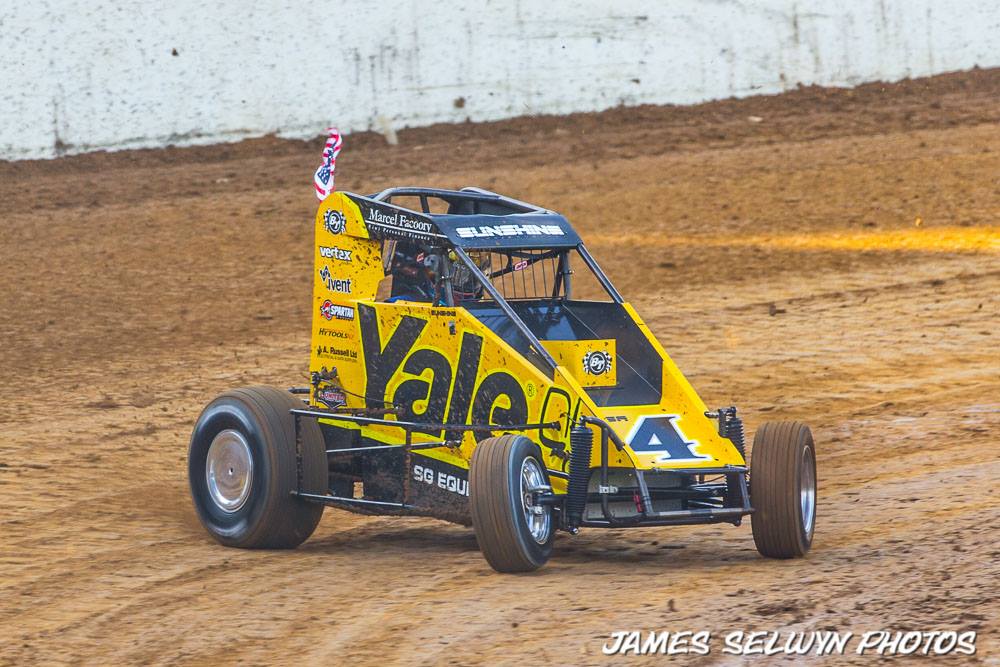
Among them stood the late, great Bryan Clauson, a driver whose annual visits felt inevitable and ominous—for his competitors. During his peak years, Clauson was almost unbeatable, collecting wins across multiple marquee events and leaving an indelible mark on New Zealand speedway.
For decades, Americans guarded New Zealand’s most treasured prizes with ruthless efficiency. It took until 1992 for a Kiwi Ted Tracey to finally conquer the 50-Lap Classic, ending a drought that spoke volumes about the strength of the visiting talent.
The New Zealand Midget Championship is starting to follow a similar pattern.
While usually dominated by locals like Michael Pickens, a select few Americans broke through:
- Jerry Coons Jr. claimed the title in 2010/11
- Spencer Bayston stunned the field in 2017/18
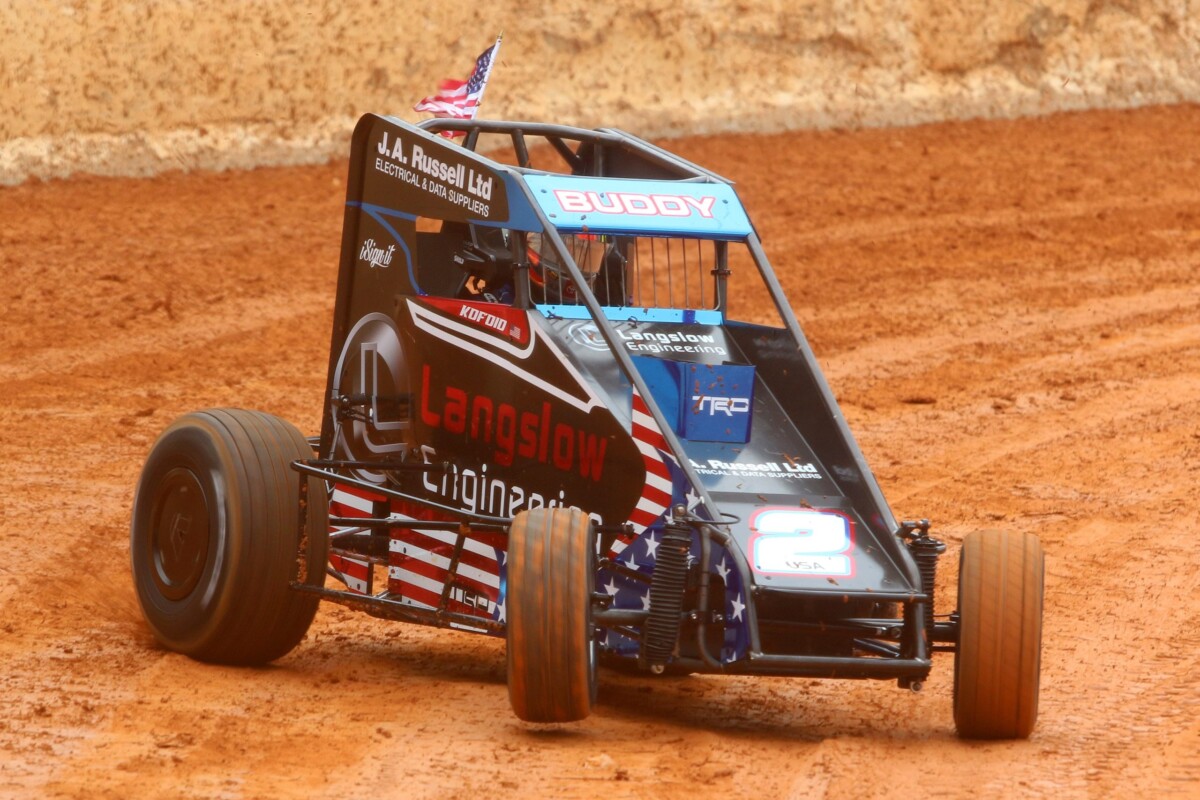
- Michael “Buddy” Kofoid made history in 2024/25, becoming the first American to win both the NZ Midget and NZ Sprintcar Championships
Others came close—Zach Daum, Logan Seavey, and Zeb Wise all stood on the podium proof of just how fine the margins had become.


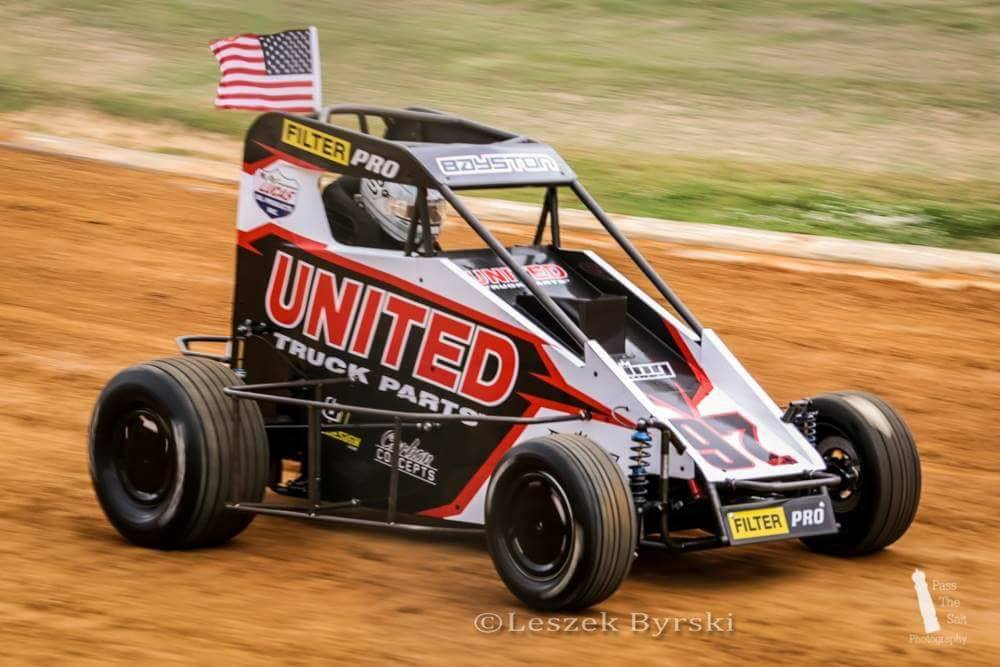
If greatness is measured in wins, Sleepy Tripp remains untouchable with 34 feature victories in New Zealand alone. Modern stars like Buddy Kofoid are rapidly climbing those ranks, while Kyle Larson and Christopher Bell boast some of the most ruthless win-to-start ratios ever seen on Kiwi soil.
Yet numbers only tell part of the story. What truly defines these drivers is how they adapted, respected, and elevated New Zealand racing.
2025: One Star, One Flag
Now, in 2025, the Stars and Stripes is flown by just one man, Cannon McIntosh. The reigning USAC Midget Car Champion, the 22-year-old from Bixby, Oklahoma, arrives alone, carrying the weight of expectation and history. But if New Zealand is only getting one American, it has chosen well. McIntosh represents the very best of his generation, and what he may unleash in his short stay remains one of the summer’s great unknowns.

With racing now spread across multiple venues, it sparks an irresistible question: could a true international test rise again? A dream American team—Kenyon, Vogler, Tripp, Larson, Bell, Foyt, against a Kiwi lineup captained by Michael Pickens, alongside Michael Kendall, Ted Tracey, Barry Butterworth, Brett Horrobin, and Graham Standring. A clash of eras, styles, and philosophies.
For a small country at the bottom of the world, New Zealand has been extraordinarily lucky. Lucky to host legends, lucky to witness history, and lucky to call this annual invasion of greatness on our own. Year after year, American midget car drivers have crossed oceans not for riches, but for pride, competition, and tradition.
And perhaps that’s why, for speedway fans across the country, this has always felt like the true gift of Christmas wrapped in clay, horsepower, and the sound of midget cars singing under summer skies.
Credit to all photographers